Generac Whole Home Standby Generator Install in Southlake
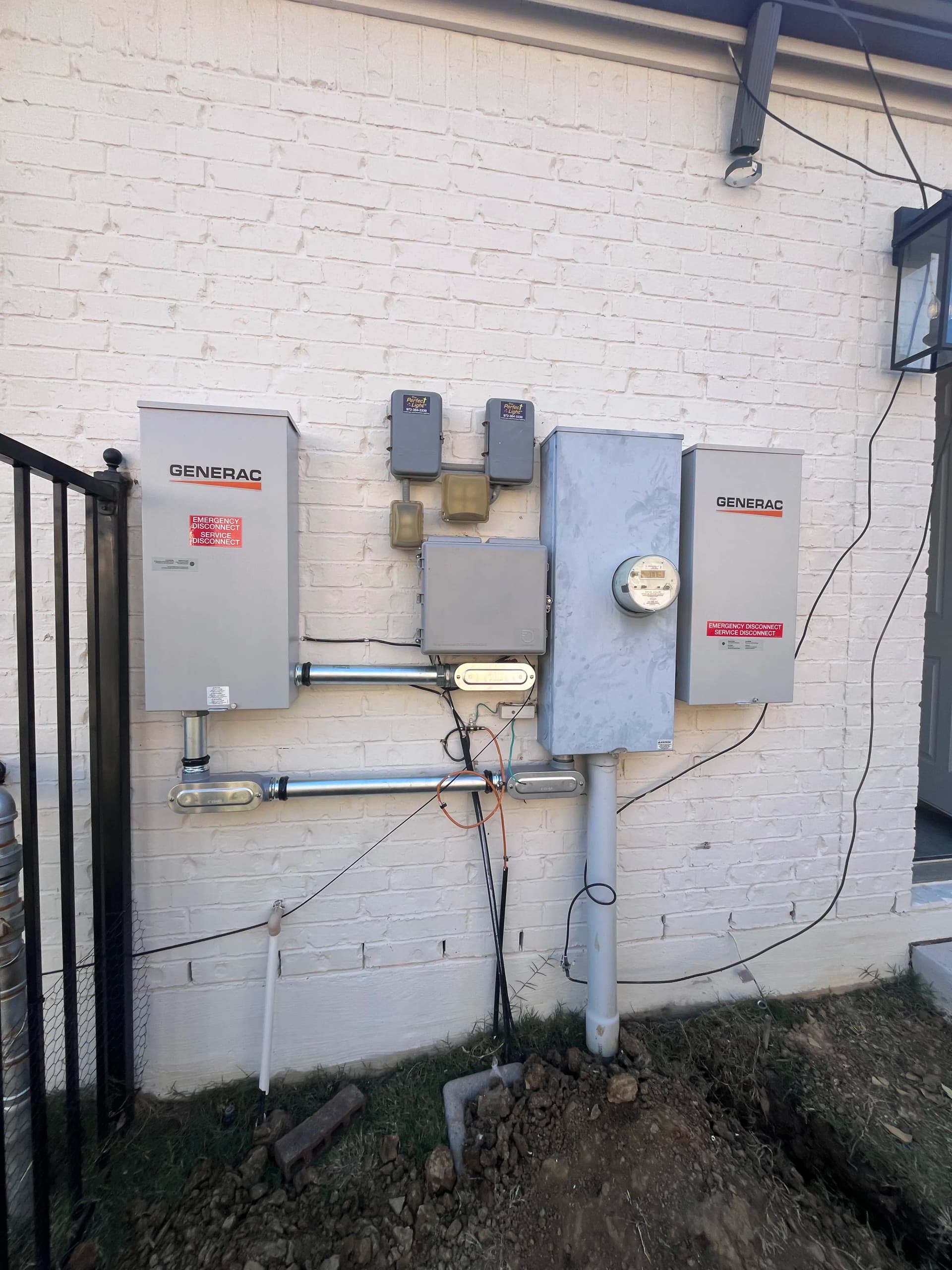
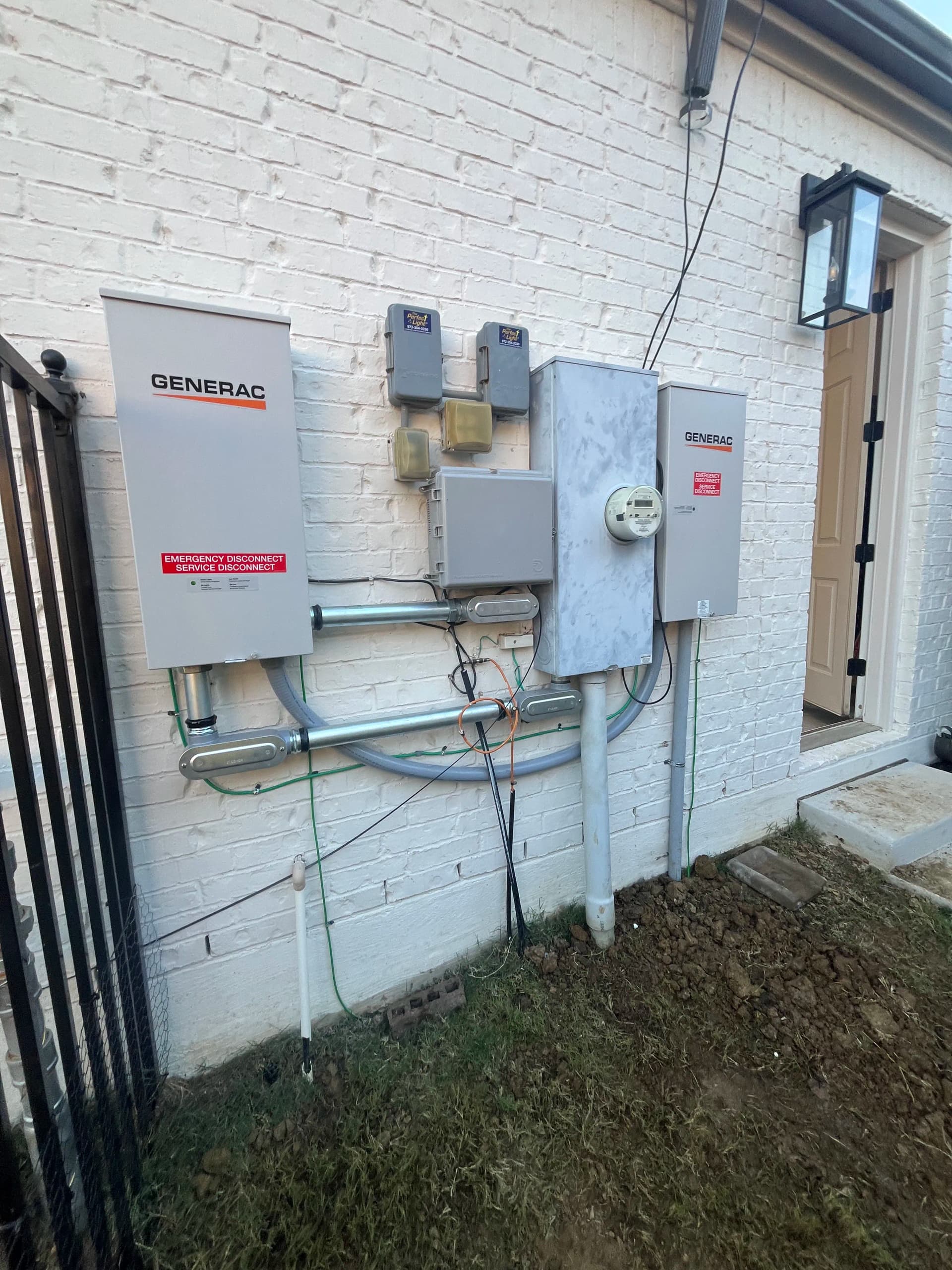
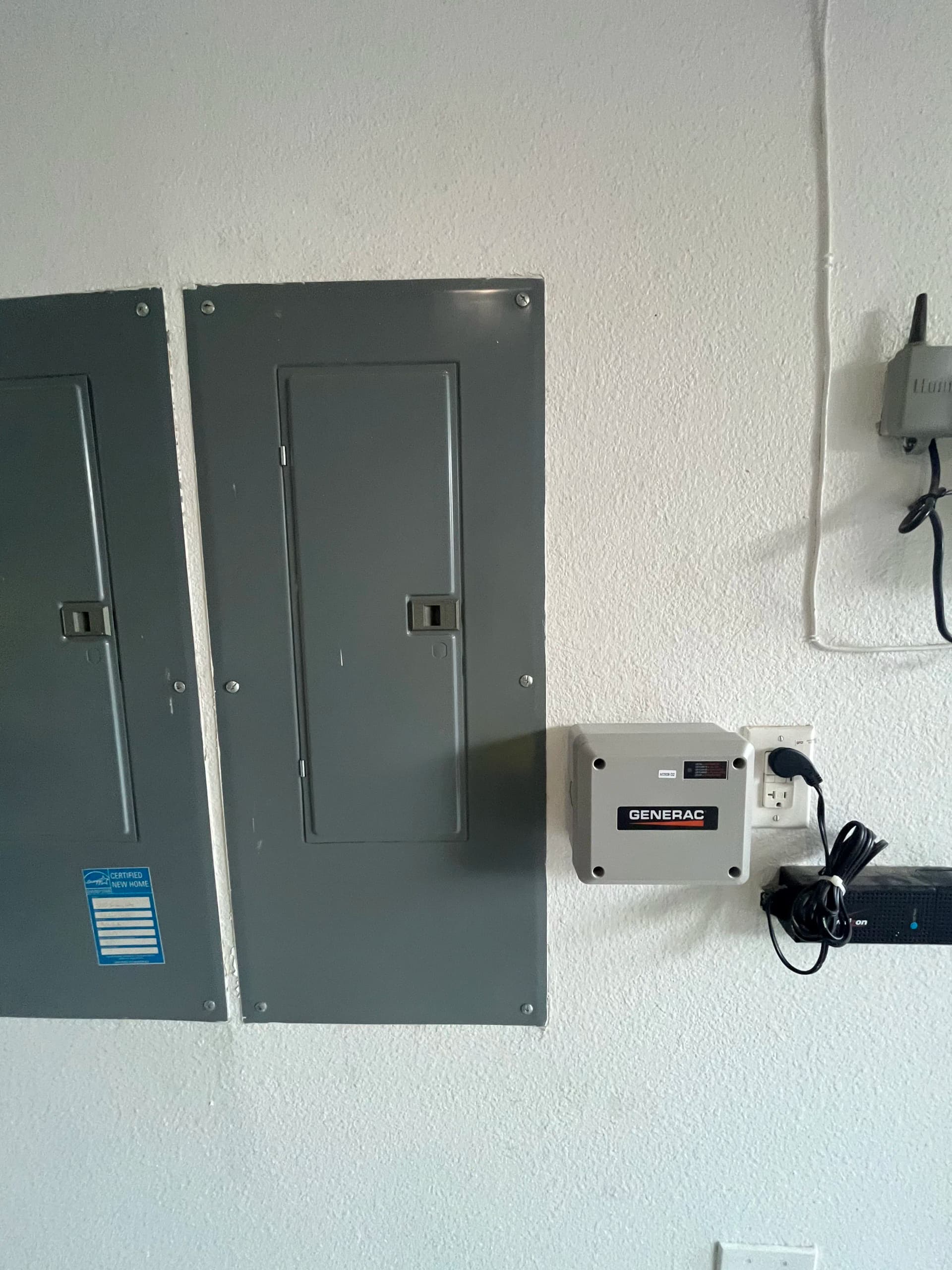
This Southlake home has two electrical panels - and we made sure the Generac standby generator covers both of them. That meant installing two transfer switches, one for each panel, so when the grid goes down, the whole house stays up. No partial coverage, no guessing which circuits you'll have. Everything runs.
Here's why that matters. A lot of homes in the DFW area were built with a main panel and a sub-panel. If your generator setup only covers one of them, you're still sitting in the dark in half your house. We see that kind of incomplete setup more than you'd think. The right way to do it is to tie both panels into the system from the start.
The transfer switches on this job are Generac units - matched to the generator itself. That's important because the communication between the generator and the transfer switch is what makes the whole thing automatic. Power goes out, the system detects it, and within seconds the generator kicks on and takes over. You don't touch a single switch. You don't even have to be home.
Standby generators like this one run on natural gas, so there's no fuel to store and no worrying about whether a gas can is full before a storm. The system runs self-tests on its own schedule to make sure it's ready when you need it. For homeowners in Southlake, that kind of reliability isn't just convenient - it's peace of mind every time severe weather is in the forecast.